
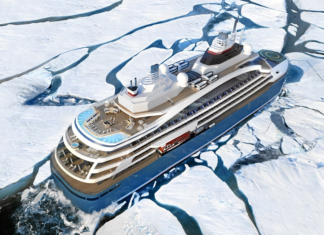
INTERNATIONAL POLAR CODE
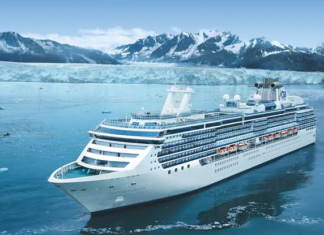
The international maritime organization (IMO) has accepted
a mandatory Polar Code to provide for safe ship operation & environmental
protection in the Polar Regions. If you are onboard a ship in the Arctic or
Antarctic waters, then...
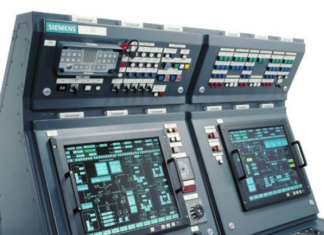
ENGINE CONTROL OF MODERN LOW-SPEED TWO-STROKE MARINE DIESEL ENGINE
BASIC REQUIREMENTS
The
functional requirements for the Engine Control System (ECS) are dictated by
thermodynamic and other (mechanical, tribological) functional requirements.
Apart from several core functions which every ECS has to perform for the
electronically controlled reciprocating engine, the...
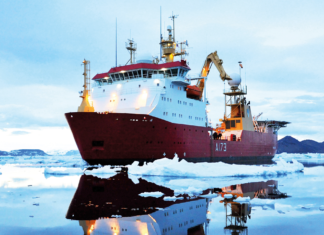
HOW TO COMPLY WITH THE POLAR CODE?
To comply with the Polar Code,
a ship and her crew must be prepared for operations in polar waters. When in
polar waters, the ship must be operated within the limitations specified on its
Polar Ship Certificate...

TRAINING OF TRAINERS, CHIEF ENGINEER AS TRAINER FOR ENGINE ROOM STAFF
The
chief engineer(C/E) of the ship is the chief of the technical department of the
ship. It is his duty to assure that the engine room(E/R) machinery works
normally for the smooth voyage. According SOLAS convention, it...
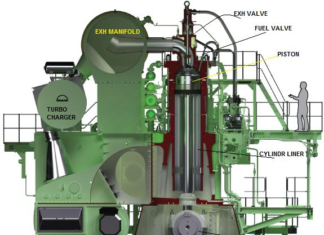
FUEL INJECTION AND EXHAUST VALVE ACTUATION SYSTEMS OF MODERN LOW-SPEED TWO-STROKE MARINE DIESEL ENGINE
SYSTEM REQUIREMENTS
The fuel injection and exhaust valve actuation systems are core
ancillary engine systems responsible for optimising the engine operation in
variable conditions of load and speed. The major requirements for these systems
on the modern two...
MLC TITLE 5. COMPLIANCE AND ENFORCEMENT
Regulation 5.1 - Flag
State responsibilities
Regulation 5.1.1 - General
principles
Regulation 5.1.2 -
Authorization of recognized organizations
Regulation 5.1.3 – Maritime labour certificate and declaration of maritime labour compliance
Regulation 5.1.4 -
Inspection and enforcement
Regulation 5.1.5 -
On-board complaint procedures
Regulation 5.1.6 -...
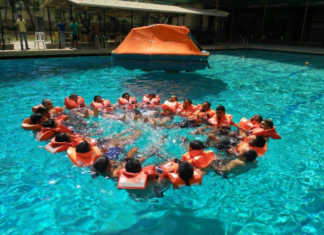
INTERNATIONAL CONVENTION ON STANDARDS OF TRAINING, CERTIFICATION AND WATCHKEEPING FOR SEAFARERS, 1978
International Convention on the Standards of Training,
Certification & Watch keeping for the Seafarers, 1978 was accepted on 7th
July 1978 & enforced on 28th April 1984. The main motive of the Convention
is to encourage safety...
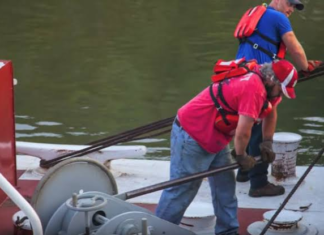
ISM CODE & ISO 9001 ONBOARD SHIPS
The
International Safety Management Code for the Safe Operation of the Ships &
for Pollution Prevention (ISM Code) is an international standard for the safe
management & performance of ships aiming about the conservation of the
environment &...
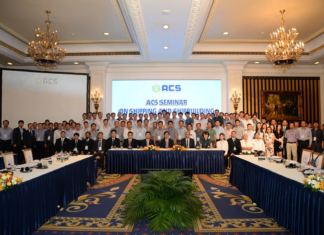
CLASSIFICATION SOCIETIES AND THEIR FUNCTIONS
A classification society is the non governmental corporation that manages & sustain technical standards for the building & performance of the ships & offshore structures. To circumvent liability, they clearly take no accountability for...
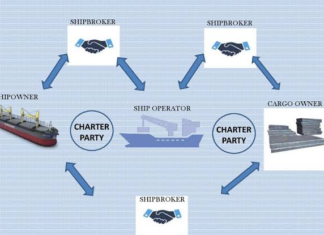
CHARTER PARTIES
A charter
party is a document of contract by which the shipowner agrees to lease, &
the charterer agrees to hire, a ship or all the cargo space, or a part of it,
on terms & conditions...