
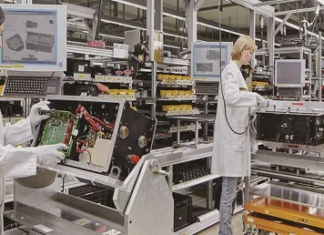
LATEST TECHNICAL DEVELOPMENTS – PRACTICAL ELECTRICITY AND ELECTRONICS, HIGH VOLTAGE ON SHIPS
WHAT IS
HIGH VOLTAGE:
The International Electro technical Commission describe high voltage as
above (>)1000 V for alternating current(AC), & at least 1500 V for
direct current(DC) & differentiate it from low voltage (50–1000 V AC or
120–1500 V...

SF6 CIRCUIT BREAKER
A circuit breaker in which the current carrying
contacts work in the sulphur hexafluoride or SF6 gas is known as an SF6 circuit
breaker. SF6 has magnificent insulating property. SF6 has high
electro-negativity. That means it has...
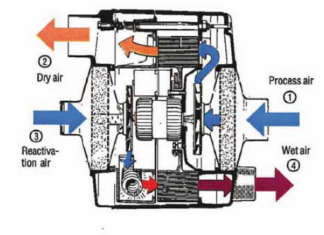
CONNECTION AND OPERATION OF DEHUMIDIFIER
Principles for connecting the dehumidifier and recommended
system
The dehumidifiers must be
connected to the engine by means of flexible hoses. It is recommended to use
steel wire reinforced plastic hoses. Same type as normally used for ventilation
systems....
UNIFIED TECHNICAL FILE
Since
the publication of the IMO Technical Code in the year 1997, MAN Diesel has,
worked together with the licensees and classification societies
(representatives for flag states) to find a uniform design of the technical
files (TF) required...
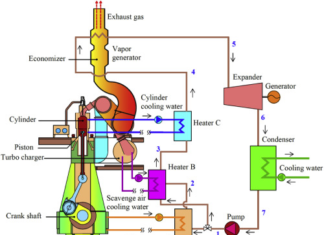
WASTE HEAT RECOVERY SYSTEM
For the large bore diesel engine, a combined cycle plant
setup has so far been based on a standard design and, thereby, also standard
performance of the diesel engine, leaving waste heat recovery (WHR) to boiler
and...
OFFICIAL LOG BOOKS AND PROCEDURES RELATING TO ENTRIES
1) Must
be retained in the every ship, unless exempted, & available with engagement
& discharge documents from concerned flag state offices.
2) Must be completed in compliance with the M.S.(Official log book) regulation 1981, as amended.
3)...

ADOPTION OF AN INTERNATIONAL CODE OF SAFETY FOR SHIPS OPERATING IN POLAR WATERS (POLAR...
The IMO has accepted the International Code for the Ships
Operating in the Polar Waters & related amendments to make it obligatory
under both the International Convention for the Safety of the Life at Sea
(SOLAS) &...
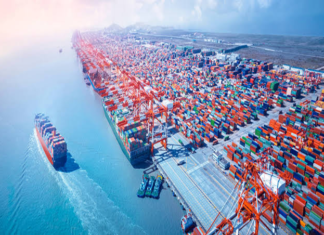
CONVENTION ON FACILITATION OF INTERNATIONAL MARITIME TRAFFIC (FAL)
Adoption: 9 April 1965; Enforced on 5th March
1967
The Convention's main objectives are to prevent
unnecessary delays in maritime traffic, to aid co-operation between
Governments, and to secure the highest practicable degree of uniformity in
formalities and other...
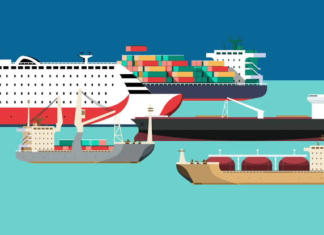
MEMBER STATE AUDIT SCHEME & IMPLEMENTATION SUPPORT
IMO was formed to accept regulation & Governments are
accountable for applying them. When a Government accepts an IMO Convention it
agrees to make it part of its national law and to enforce all of the...
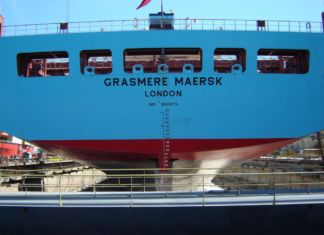
IMO IDENTIFICATION NUMBER SCHEMES
IMO SHIP IDENTIFICATION NUMBER SCHEME
(Circular letter No.1886/Rev.5)
The IMO ship identification number scheme was launched in
the year 1987 by approval of the resolution A.600(15), as a procedure focused
at improving maritime safety, & pollution prevention &...